
Hands-Free Mornings, Lighter Footprint

Wake-Up Prompts that Prevent Waste

Set a morning routine that opens blinds for free light, confirms devices fully charged overnight are off the socket, and checks the weather so you dress right the first time. Fewer returns and unnecessary layers mean less laundering and packaging over time. A short phrase can launch reminders for medication in reusable pill organizers and a prompt to place yesterday’s mail in the recycling bin. Start your day without guesswork, avoid avoidable clutter, and begin making measurable reductions before breakfast.

Voice Checklists at the Door

Ask your assistant for a quick exit checklist that mentions tote, mug, containers, repair ticket, and battery-drop pouch. Amina shared that this routine cut her spontaneous plastic bag use to nearly zero within a month. The spoken list adapts to your calendar, surfacing library returns on due dates or a reminder to refill shampoo at the co-op when a nearby errand already brings you close. This supportive cadence makes consistency feel easy, friendly, and even a little celebratory every time.

Mindful Minutes While Brewing Coffee

While water heats, request a short ritual: weigh only what you will drink, compost paper filters or use a metal filter, and set the kettle to an exact temperature to save energy. Ask for grounds storage advice and a reminder to pour leftover hot water onto thirsty plants. One reader reported trimming weekly trash by swapping single-use pods for a refillable basket, a decision encouraged by morning voice prompts. A small routine, spoken out loud, becomes a reliable anchor for better habits.

Smarter Shopping Without the Packaging Overload

Conversational Pantry Tracking

Say add oats jar almost empty, and your assistant updates a running list with refill quantities, not disposable units. Barcode scans or quick descriptions attach preferred low-waste sources, unit costs, and container sizes. When you speak buy dates, it forecasts when you will actually run out, preventing both panic buying and last-minute plastic-heavy replacements. Over a few weeks, your list evolves into a practical map for bulk aisles and farmer’s markets, streamlining choices and cutting excess packaging you never wanted in the first place.

Refill and Bulk, Guided by Maps

Ask for the nearest refill station with detergent available by weight, then get walking or transit directions that fit your schedule. Your assistant can remind you to bring specific empty containers labeled by volume, avoiding guesswork and unnecessary new bottles. Afterward, it logs the savings and prompts a quick note about product performance. Those small reflections build your personal low-waste playbook. Over time, you notice rhythms: which shop stocks loose tea reliably, which market welcomes container tare, and which routes pair errands efficiently.

Impulse Control Through Friendly Reminders

When targeted ads tempt you, request a cooling-off timer that gently revisits the purchase tomorrow with objective questions about need, longevity, and repairability. The assistant can suggest borrowing, secondhand options, or a repair appointment first. If you really need new, it surfaces durable, package-minimized alternatives. Maya credits this one practice with halving her small, forgettable buys in two months. The voice adds calm distance from pressure, helping you trade quick dopamine hits for long-term satisfaction and dramatically lighter bins on collection day.

Kitchen Wins: Eat What You Buy, Save What You Love

Food waste sneaks up through forgotten leftovers, unclear dates, and poor planning. A conversational ally makes the fridge visible again by labeling containers aloud, scheduling spotlight nights, and translating vague produce into specific meals. Globally, estimates suggest roughly a third of food never gets eaten; your kitchen can bend that curve. Ask for use-it-first plans and shelf-order advice, then watch your bin shrink. Along the way, share creative rescues with our readers, inspiring someone else’s weekday victory and fewer guilt-laced tosses.

01

Leftovers Spotlight

Say what is ready to be used, and your assistant quickly proposes two or three meal ideas, matching time, tools, and dietary needs. It can rename that mystery container, schedule a leftovers feast night, and place a fun badge on your streak. Readers report that simple announcements, like curry cups tonight, rally families around finishing good food. With voice-labeled lids and timed reminders, the refrigerator turns into a friendlier library instead of a graveyard, celebrating every container that becomes dinner rather than waste.

02

Dynamic Meal Plans from What You Have

Plan by saying, I have carrots, lentils, and half a lime, and hear three flexible recipes with scalable portions and storage tips. The assistant also watches your week, aiming quick meals before late meetings and slower projects on calm evenings. If grocery prices spike, it suggests swaps aligned with your pantry basics. Repeated wins build confidence, and the compulsion to overbuy fades. You start trusting your shelves again, spending less while savoring more, and the compost bin receives only peels and proud scraps.

03

Compost Coaching That Feels Easy

Unsure what belongs in the bin? Ask for local rules, then get reminders about carbon-to-nitrogen balance using clear voice cues. It nudges brown material additions after coffee grounds or veggie trimmings, keeping odors down and decomposition steady. If curbside rules change, you hear about it before mistakes pile up. A friendly weekend prompt celebrates your progress and suggests sieving mature compost for balcony herbs. These little touchpoints transform decomposition into a hopeful loop, turning kitchen remnants into soil stories you can hold in your hands.

Sips, Switches, and Watts: Resource-Savvy Home Habits
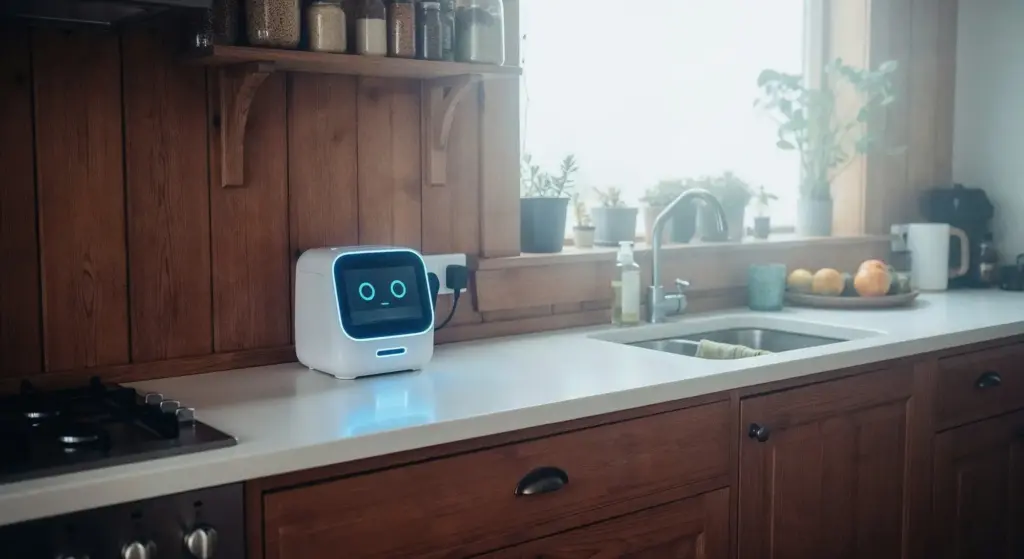
Your assistant can help dial in energy and water use without the overwhelm of dashboards or complex spreadsheets. Conversational routines adjust thermostats, trim standby loads, and time high-draw tasks to cleaner grid windows. Voice guidance also supports water-wise habits, from tap timing to leak watchlists. Over weeks, transparent feedback adds up to real savings and a calmer conscience. Invite family members to join through playful cues, so conservation belongs to everyone, not just the most motivated person in the house.

Recycling Answers in Seconds

Ask, where does this go, and get a clear, local answer that accounts for coatings, labels, and caps. If your area suspends a material, you hear timely updates and safe drop-off alternatives. The assistant can schedule electronics events and set reminders to rinse containers without wasting extra water. Over time, your confidence rises, sorting mistakes vanish, and neighbors copy your system. What once felt murky turns crisp and actionable, transforming confusion into a practiced rhythm you barely need to think about anymore.

Creative Reuse Ideas On-Demand

Before discarding, request three imaginative reuses tailored to your space, tools, and style. Bottles become herb planters, fabric scraps turn into durable wraps, and sturdy boxes morph into elegant storage. The assistant prioritizes ideas you will genuinely try, tracking what sticks so suggestions improve. Post a photo of your favorite upcycle and inspire someone else to try today. Reuse builds playful momentum that stretches budgets and reduces demand for new stuff, while also giving your home thoughtful, personalized character and warmth.

Motivation, Privacy, and Trust—Sustainable by Design

Good habits last when they respect your autonomy and protect your data. Your assistant can celebrate progress with gentle milestones, not nagging, while putting consent and clear controls first. Choose on-device processing where possible, delete voice logs on a schedule, and limit integrations to what truly helps. Inclusivity matters too: accessible voice models, plain language, and cultural awareness welcome more people into low-waste living. Share what motivates you, subscribe for weekly voice prompts, and help shape a respectful, human-centered future together.

Tiny Rewards, Real Momentum

Micro-celebrations, progress snapshots, and compassionate resets make consistency resilient during tough weeks. Your assistant can offer reflective questions instead of rigid scores, spotlighting meaningful wins like a month without disposable coffee lids. When setbacks happen, it suggests the smallest next step that reignites confidence. Invite friends to a lighthearted, opt-in challenge, trading supportive voice notes rather than competitive dashboards. Gentle accountability amplifies joy, ensuring low-waste living feels like a humane practice rather than another perfectionist pursuit collecting dust on your to-do list.

Your Data, Your Rules

Low-waste guidance should never cost your privacy. Use clear dashboards to manage retention, microphone settings, and third-party access. Prefer local processing for sensitive routines and anonymized analytics for trends, not identities. Periodically review permissions by voice, and receive understandable explanations before any new capability turns on. Transparency builds trust, which sustains participation. Knowing your words shape only the features you approve invites freer experimentation, richer feedback, and a healthier relationship with technology that supports your values instead of quietly compromising them.

Inclusive, Accessible Guidance for Everyone

Sustainable habits thrive when tools adapt to diverse voices, accents, and abilities. Encourage features like slower pacing, larger text for companion screens, and tactile confirmations for noisy spaces. The assistant can offer multilingual prompts, culturally relevant meal ideas, and flexible routines for caregivers or shift workers. Invite feedback from those often excluded, then let improvements ripple outward. When more people can comfortably say the words that change routines, communities strengthen together, and the path to less waste becomes welcoming, practical, and genuinely shared.
Mexolumatari
Privacy Overview

This website uses cookies so that we can provide you with the best user experience possible. Cookie information is stored in your browser and performs functions such as recognising you when you return to our website and helping our team to understand which sections of the website you find most interesting and useful.